Green credit connection expands resources for circular agriculture
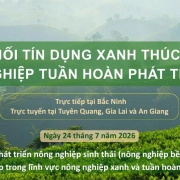
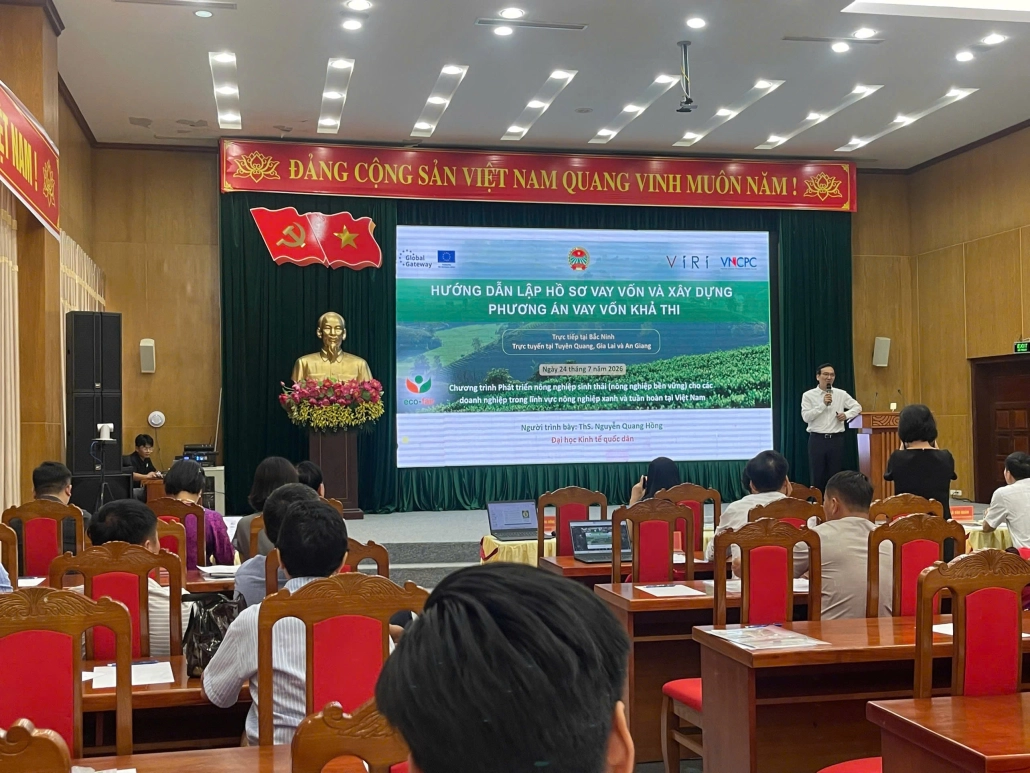
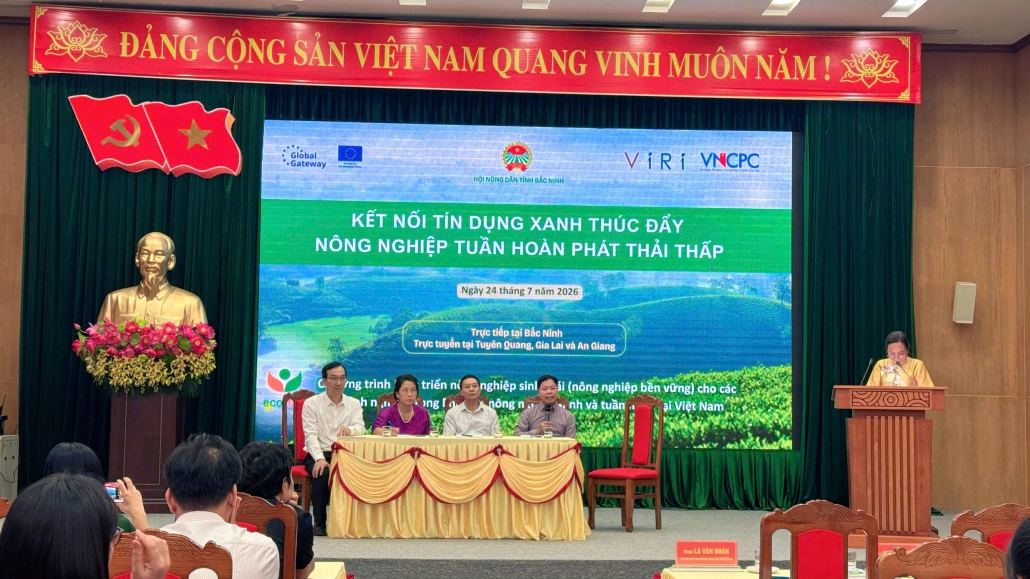
On July 24, 2026, at the Bac Ninh Provincial Conference Center, the Vietnam Cleaner Production Centre Co.Ltd. (VNCPC) coordinated with the Vietnam Institute of Rural Industry Research and Development (VIRI), the Provincial Farmers’ Association, and related units to organize a sharing session “Connecting green credit to promote low-emission and circular agriculture.”
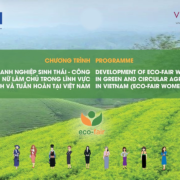
The event was held in person in Bac Ninh and connected online with participating sites in Tuyen Quang, Gia Lai, and An Giang, within the framework of the Program ” “Development of Eco-Fair women businesses in green and circular agriculture sector in Vietnam (Eco-Fair WBs)” funded by the European Union (EU).
Connecting resources for the green transition
Not just an information exchange forum, the event was designed to connect enterprises, cooperatives, and production households with financial institutions, banks, support funds, and experts, thereby gradually removing barriers to accessing capital for the transition to green, circular, and low-emission agricultural models.
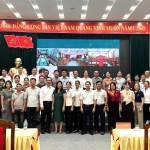
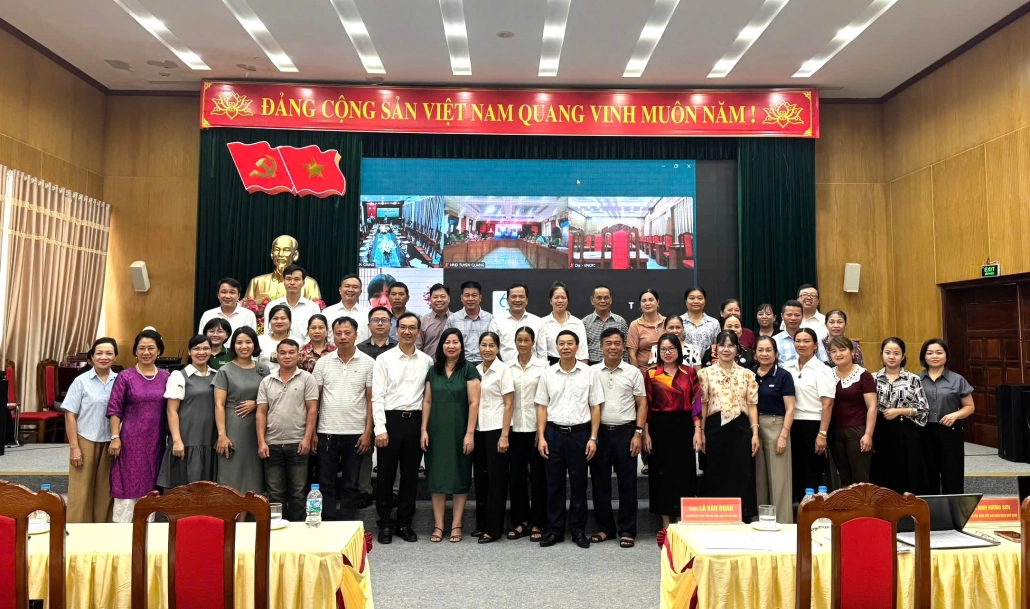
Delegates attending in person in Bac Ninh
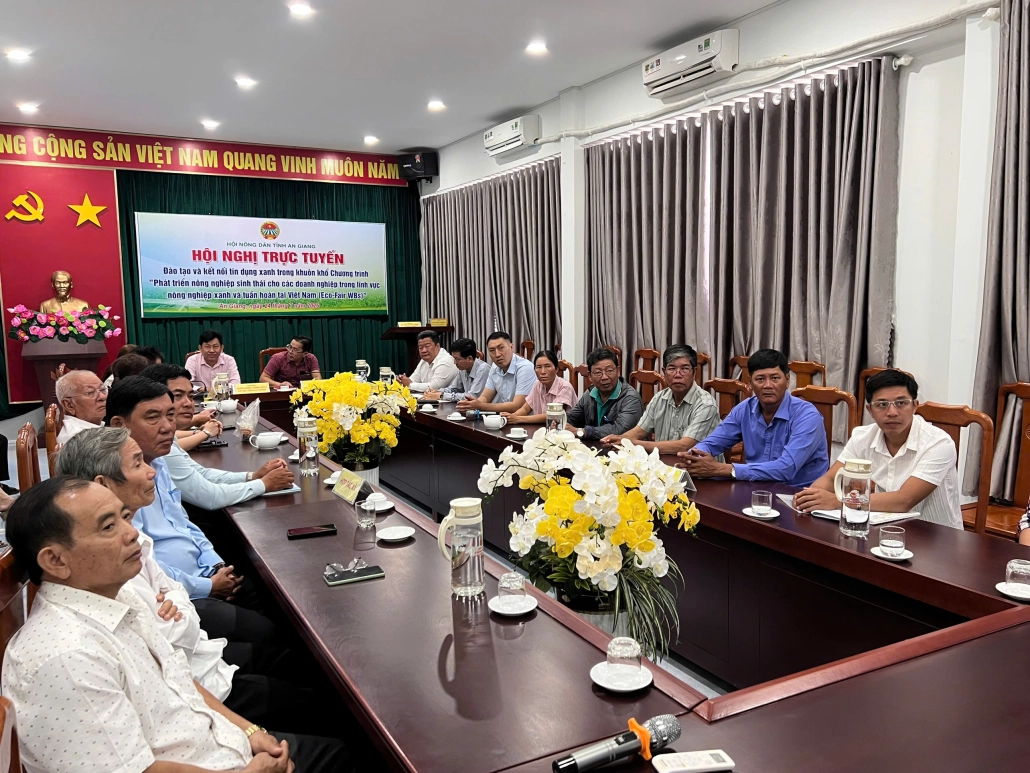
Delegates participated virtually from An Giang province
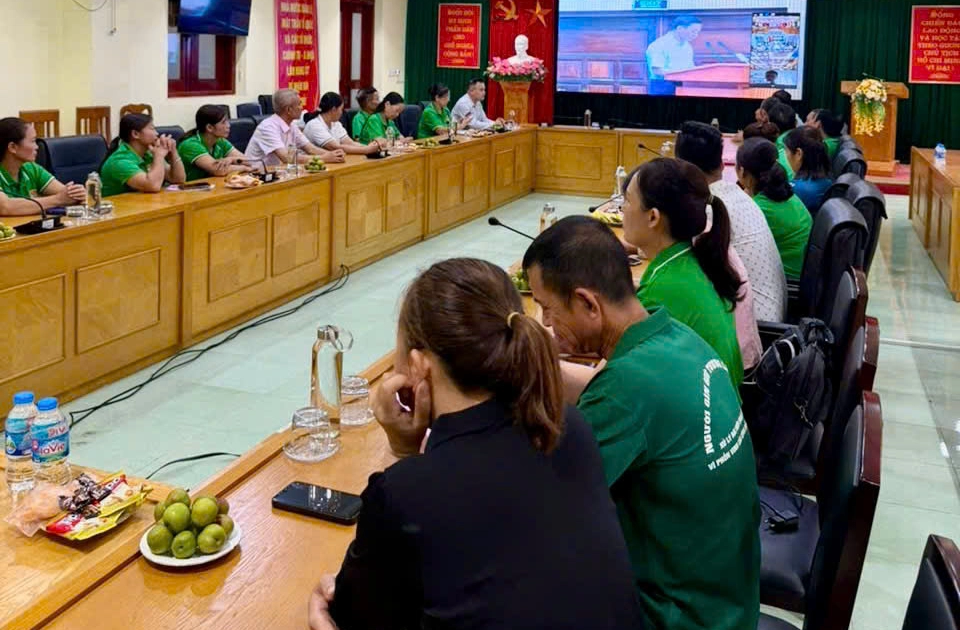
Delegates participated virtually from the Tuyen Quang province
In his opening speech, Mr. La Van Doan, Permanent Vice Chairman of the Provincial Farmers’ Association and Director of the Executive Board of the Bac Ninh Provincial Farmers’ Support Fund, emphasized that developing green, circular, and low-emission agriculture is an inevitable trend. However, many enterprises, cooperatives, and production households still face difficulties in developing production plans, completing documentation, and demonstrating investment effectiveness. Therefore, strengthening connections between credit institutions and enterprises, cooperatives, and farmers is crucial in removing bottlenecks in financial resources.
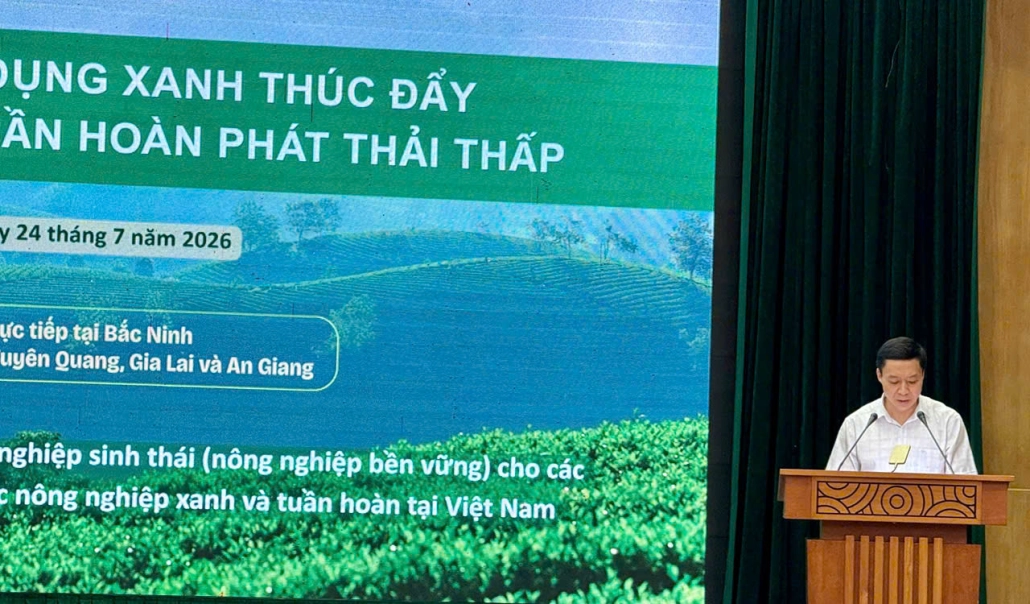
Mr. La Van Doan, Permanent Vice Chairman of the Provincial Farmers’ Association and Director of the Executive Board of the Bac Ninh Provincial Farmers’ Support Fund
At the program, a representative from Vietcombank Bac Ninh branch introduced credit products for micro, small, and medium enterprises in 2026, including loans for investment in machinery, equipment, expanding production scale, and developing business activities.
The presentation also clarified loan conditions, appraisal criteria, and the content enterprises need to prepare to enhance their ability to be considered for credit by the bank.
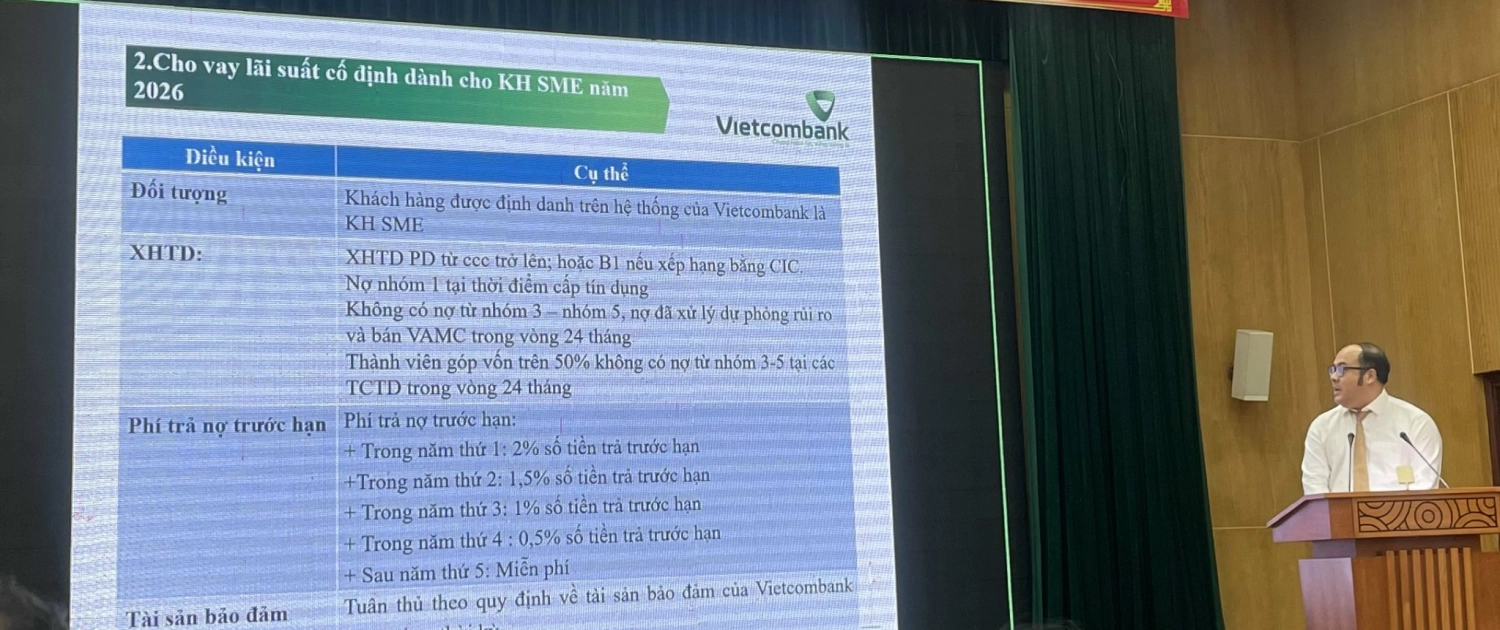
Mr. Le Duc Nhan – Head of Luc Ngan Transaction Office, Vietcombank Bac Ninh branch, introduced credit products for enterprises
Continuing the program, a representative from the Social Policy Bank of Bac Ninh province shared about preferential credit programs being implemented for cooperatives, production households, and eligible groups as per regulations.
The content focused on beneficiaries, loan conditions, implementation procedures, and related support policies, helping production units gain more information to choose capital sources suitable for their investment and development needs.
Mr. Nguyen Van Cuong – Deputy Director of the Social Policy Bank of Bac Ninh province shared about preferential credit programs
After the introduction of capital sources, Mr. Nguyen Quang Hong – a financial expert and lecturer at the National Economics University, guided enterprises and cooperatives in building loan documentation in a systematic manner, suitable for the requirements of credit institutions.
According to the expert, before requesting a loan, the production unit needs to clearly identify the need and purpose of using the capital; build a feasible production and business plan; prepare an investment plan; forecast cash flow; and simultaneously prepare a suitable repayment plan.
Besides financial efficiency, quantifying environmental and social benefits such as energy savings, reduced resource use, utilization of by-products, emission reduction, or job creation also contributes to enhancing the persuasiveness of the investment plan.
Mr. Nguyen Quang Hong provided guidance on preparing and completing loan application documents
In the discussion session, delegates directly exchanged on many practical issues such as loan conditions, collateral, cash flow proof, repayment capacity, appraisal criteria, and how to choose suitable capital sources.
The answers from representatives of credit institutions and experts helped enterprises and cooperatives better understand the lender’s requirements, thereby proactively completing documentation and enhancing access to financial sources.
Experts answered questions from enterprises and cooperatives at the event
In addition to the content on green credit, the program also shared many solutions to support enterprises and cooperatives in enhancing their capacity for sustainable transition, such as applying the VietFarm Eco-Fair standard, developing circular agriculture, using electronic diaries EGAP in production management and traceability, building ESG reports, implementing a system for measuring, reporting, and verifying greenhouse gas emissions (MRV), as well as digital passports for agricultural products. These contents not only help enterprises and cooperatives access capital but also contribute to improving governance capacity, information transparency, and meeting the increasingly high requirements of domestic and international markets.
Continued support after the program
The highlight of the program was the orientation for post-event companionship. Instead of stopping at information sharing, the Organizing Committee will continue to review the needs of enterprises and cooperatives, select potential initiatives to support in completing investment plans, enhance access to capital, and connect with suitable financial institutions.
This is the approach that the Eco-Fair WBs Program is pursuing to create long-term impacts, helping enterprises and cooperatives gradually transition to green, circular, and low-emission production models.
Through the connection between technical support, digital transformation, and financial resources, VNCPC and its partners expect to help agricultural enterprises and cooperatives improve governance capacity, complete investment documentation, and gradually access suitable capital sources. Thus, green, circular, and low-emission production models have more conditions to be implemented, replicated, and create sustainable value in practice.
VNCPC