Vietnam officially launches its domestic carbon exchange

On June 29, 2026, Vietnam officially launched its domestic carbon exchange, marking a significant milestone in the development of the country’s carbon market and its transition toward a low-carbon economy.

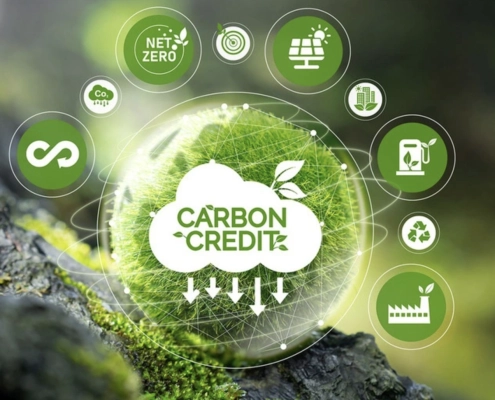
During the pilot phase, tradable assets on the exchange include greenhouse gas (GHG) emission allowances and carbon credits. The establishment of the carbon exchange not only creates a transparent trading mechanism but also enables carbon pricing based on market principles, encouraging businesses to invest in cleaner technologies and emission reduction solutions.

What does the carbon exchange mean for businesses?

Traditionally, greenhouse gas emissions have primarily been viewed as a compliance obligation. However, with the establishment of the carbon market, emissions are no longer merely a “cost” but can become an economic asset with tangible market value.

For businesses allocated emission allowances, effective emission reduction creates opportunities to retain unused allowances or participate in carbon trading in accordance with applicable regulations. Conversely, companies exceeding their allocated limits may purchase additional allowances or use eligible carbon credits to meet compliance requirements. This market-based mechanism provides strong incentives for businesses to invest in cleaner technologies, improve energy and resource efficiency, and enhance long-term competitiveness.

With the establishment of the carbon market, greenhouse gas emissions are no longer viewed solely as a cost, but also as an economic asset with tangible value.

How should businesses prepare?

The launch of the carbon market also means that businesses need to take a more proactive approach to emissions management. Key priorities include:

  • Conducting greenhouse gas inventories and managing emissions in accordance with regulatory requirements.
  • Monitoring and improving the efficiency of energy, water and raw material use.
  • Developing practical emission reduction plans aligned with production conditions.
  • Exploring opportunities to generate carbon credits through emission reduction or carbon removal projects.
  • Gradually integrating ESG and sustainability principles into corporate strategy and business operations.

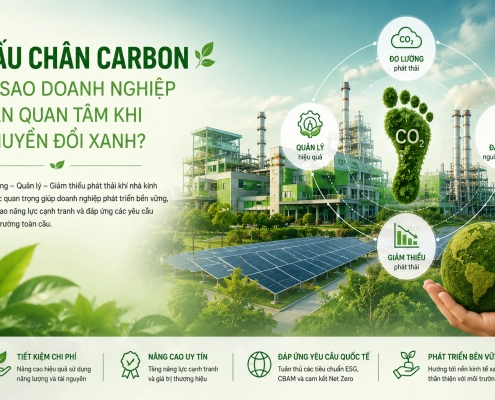
Early preparation will not only help businesses comply with emerging regulations but also strengthen their competitiveness, particularly as international markets increasingly focus on the carbon footprint of products.

New opportunities in the green transition

The domestic carbon exchange is an important market-based instrument supporting Vietnam’s commitment to achieving net-zero emissions by 2050. More importantly, it enables businesses to shift from a compliance-driven approach to a value-creation mindset, transforming emission reduction efforts into economic benefits and sustainable competitive advantages.

Against this backdrop, investing in solutions such as Resource Efficient and Cleaner Production (RECP), energy audits, greenhouse gas inventories, ESG implementation and Net Zero roadmaps will enable businesses not only to comply with new regulatory requirements but also to strengthen their position within increasingly sustainable global supply chains.

VNCPC

ESG and product quality: A new competitive advantage for businesses

For many years, when discussing product quality, businesses have typically focused on familiar criteria such as durability, functionality, safety, and compliance with technical standards. However, in the era of sustainable development and global integration, the concept of “quality” is evolving beyond these traditional measures.

Today, customers are no longer interested solely in whether a product performs well. They also want to know:

  • Are the raw materials sourced sustainably?
  • Is the manufacturing process resource- and energy-efficient?
  • Does the company care about its employees and the community?
  • Is the company’s governance system transparent and trustworthy?

This is why ESG (Environmental, Social and Governance) is becoming an essential factor in defining product quality from a more comprehensive perspective.

Product quality is being redefined

In the past, product quality was mainly controlled at the final stage of production through inspection and testing. Today, quality is built from the very beginning of the value chain.

A high-quality product is no longer defined only by its technical performance, but also by whether it is produced through a responsible manufacturing process that respects the environment, employees, and society.

ESG is becoming an important factor that contributes to product quality from a more comprehensive perspective. Source: Internet

As a result, ESG is no longer viewed merely as a framework for reporting or corporate communications. It has become an integral part of a company’s quality management system.

ESG improves quality from the ground up

Each of the three ESG pillars is closely linked to product quality.

Environmental

Efficient use of raw materials, water and energy; reducing waste and greenhouse gas emissions; and selecting sustainably sourced materials not only minimize environmental impacts but also improve process stability and product quality.

For many businesses, initiatives such as Resource Efficient and Cleaner Production (RECP) have demonstrated that reducing waste goes hand in hand with improving product quality while lowering production costs.

Social

Providing a safe workplace, investing in employee training, protecting workers’ rights, and maintaining transparent communication with customers all contribute to producing more reliable and trustworthy products.

In industries such as food processing, textiles, electronics, and consumer goods, social responsibility has become an increasingly important criterion for international buyers.

Governance

A transparent governance system enables companies to better control production processes, manage risks, comply with regulations, and maintain consistent product quality.

It also provides the foundation for meeting increasingly stringent requirements from business partners, investors, and export markets.

Sustainable quality creates competitive advantage

Many companies around the world have integrated ESG principles throughout the entire product life cycle—from product design and raw material sourcing to manufacturing, distribution, and end-of-life recovery and recycling. This approach not only reduces environmental impacts but also strengthens brand value and enhances customer trust.

Integrating ESG throughout the product life cycle not only reduces environmental impacts but also enhances brand value and strengthens customer trust. Source: Internet

For Vietnamese businesses, this trend is gaining momentum as more international customers require suppliers to demonstrate their commitments to environmental protection, social responsibility, and good corporate governance.

This means that competitive advantage is no longer determined solely by production costs or manufacturing capacity, but increasingly by a company’s ability to operate sustainably.

Where should businesses begin?

Implementing ESG does not necessarily require large-scale projects or significant investments.

Many companies begin with practical actions such as:

  • Assessing the current use of energy, water, and raw materials.
  • Identifying sources of waste and inefficiencies in production.
  • Strengthening quality management and product traceability.
  • Improving workplace safety and working conditions.
  • Gradually establishing a transparent governance system.
  • Developing a roadmap for greenhouse gas inventory and emissions reduction.

These improvements not only help businesses comply with ESG requirements but also directly enhance product quality, reduce operating costs, and strengthen market competitiveness.

ESG is an investment in quality and the future

As global supply chains continue to shift toward sustainability, ESG is becoming an essential component of modern corporate management.

When environmental, social, and governance principles are integrated into manufacturing processes, product quality is elevated in a more holistic way. This is not only a market requirement but also an opportunity for businesses to optimize operations, strengthen their brand, and build long-term competitive advantages.

For businesses, investing in ESG is not simply about following a new trend. It is an investment in product quality, corporate reputation, and sustainable growth for the future.

VNCPC

Optimizing productivity for green and sustainable manufacturing

Amid rising input material costs and increasingly stringent sustainability requirements, Vietnamese enterprises are facing a new challenge: optimizing productivity while greening production. Rather than viewing productivity and environmental performance as separate objectives, integrating these two factors is becoming a critical management solution that helps businesses enhance competitiveness and achieve sustainable development.

  1. Productivity and green production: Two sides of the same coin

For many years, businesses have focused on increasing output, reducing labor costs, or improving operational efficiency, while environmental issues have often been managed separately. However, experience has shown that when production processes are optimized and waste is minimized, the consumption of energy, water, and raw materials can also be significantly reduced.

This is where productivity and green production intersect: businesses can simultaneously lower costs and reduce their environmental footprint.

  1. Resource savings through operational efficiency

A standardized operating process can generate substantial benefits for both economic performance and environmental protection.

Reducing energy consumption: When machinery operates at the appropriate capacity and production schedules are organized efficiently, idle running and inefficient operations can be minimized. This enables businesses to significantly reduce electricity costs, which often account for a large share of overall production expenses.

Optimizing water use: In industries such as textile dyeing, food processing, and agricultural product processing, the adoption of water-saving technologies, water reuse systems, and leakage control measures not only lowers operating costs but also demonstrates corporate responsibility toward natural resources.

  1. Reducing defect rates – protecting the environment through quality

Effective quality control is one of the most practical ways to reduce environmental pressure. When product defects and material losses are minimized, businesses can use raw materials more efficiently, reduce waste generation, and lower waste treatment costs.

Continuous improvement tools such as 5S, Kaizen, and ISO 9001 quality management systems help businesses prevent defects at the source, improve production efficiency, and establish a strong foundation for sustainable green development.

  1. Toward a circular economy

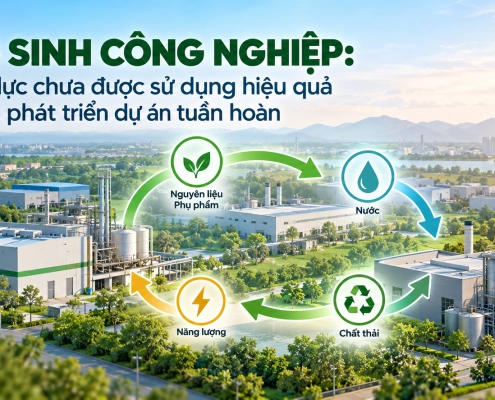
Rather than maintaining the traditional “take-make-dispose” model, many businesses are transitioning toward a circular economy. By utilizing by-products as inputs for other processes, reusing materials, or collaborating with recycling partners, companies can extend resource lifecycles, reduce environmental pressures, and create additional value streams.

This is not only an environmental solution but also a long-term strategy that helps businesses reduce dependence on virgin raw materials and improve resilience against market fluctuations.

  1. An essential requirement of the global marketplace

Green productivity is no longer an optional initiative – it is rapidly becoming a business necessity. Major export markets are imposing increasingly stringent requirements related to environmental performance, carbon emissions, resource efficiency, and product traceability.

Businesses that integrate productivity goals and sustainability objectives into their operational strategies at an early stage will gain significant advantages in terms of cost efficiency, product quality, and competitive positioning in international markets.

It is clear that productivity optimization not only enables businesses to operate more efficiently but also serves as a key driver of green production and sustainable development. As every process is improved, every resource is utilized more effectively, and every form of waste is reduced, businesses move closer to achieving sustainable growth in the green economy era.

VNCPC

Why should businesses transition to a circular economy?

As the global economy faces increasing pressure from resource scarcity, climate change, and increasingly stringent regulatory requirements, the traditional linear economic model of “take – make – consume – dispose” has revealed significant limitations. In contrast, the circular economy is emerging as an inevitable pathway, enabling businesses to optimize operational performance while creating long-term sustainable value.

Below are the key reasons why businesses should accelerate their transition toward a circular economy model.

  1. Addressing Resource Scarcity Challenges

Demand for raw materials continues to rise, while many non-renewable resources are gradually being depleted. This trend drives up extraction, procurement, and transportation costs, directly affecting business profit margins.

At the same time, dependence on imported raw materials exposes companies to supply chain disruptions and geopolitical uncertainties. A circular economy enables businesses to reuse materials, by-products, and waste generated during production, transforming the “output” of one process into the “input” of another. As a result, companies can reduce reliance on imports and gain greater control over production and business planning.

  1. Enhancing Operational Efficiency and Optimizing Costs

One of the most evident benefits of the circular economy is its ability to generate direct economic value. Rather than viewing waste as a cost burden, this model treats it as a valuable resource that can be recovered and utilized.

    • Reducing production costs: Reusing materials, improving energy efficiency, and minimizing waste help businesses significantly reduce operating expenses, waste treatment costs, and logistics expenditures.
    • Addressing overproduction: The circular economy encourages improved product design, focusing on quality and product lifespan, thereby reducing overproduction in a context of limited resources.
    • Extending asset lifespan: Through maintenance, repair, refurbishment, and remanufacturing, businesses can prolong the useful life of machinery, equipment, and materials, maximizing the value of their investments.

One of the clearest benefits of the circular economy is its ability to generate direct economic value.

  1. Meeting Environmental and Climate Commitments

Greenhouse gas emissions and environmental pollution are global challenges. Transitioning to a circular economy is a critical step for businesses seeking to contribute to the achievement of Net Zero emissions by 2050.

This model helps reduce environmental impacts from the design stage onward by:

    • Using renewable energy and environmentally friendly materials;
    • Minimizing waste and eliminating polluting materials;
    • Protecting ecosystems and biodiversity.

Beyond environmental benefits, these efforts also help businesses build a green brand image, enhance corporate reputation, and strengthen trust among customers and communities.

  1. Strengthening Competitiveness and International Integration

In today’s economy, competitive advantage is no longer based solely on cost but increasingly on sustainability and social responsibility. Many companies have successfully adopted innovative business models, such as the “service instead of product” model. For example, Philips provides lighting services rather than simply selling light bulbs, helping optimize resource use while maintaining long-term customer relationships.

In Vietnam, the environmental regulatory framework continues to evolve, particularly through provisions in the Law on Environmental Protection and Extended Producer Responsibility (EPR) regulations. Businesses are increasingly required to collect, recycle, and manage waste generated by their products. Companies that proactively transition to a circular economy will be better positioned to meet international standards, expand export opportunities, and attract green investment capital.

  1. Creating New Market Opportunities

The circular economy is not only an environmental solution but also a driver of innovation. Businesses can unlock various new opportunities, including:

    • Industrial symbiosis: Collaboration among companies where the waste of one enterprise becomes the raw material for another.
    • Sustainable design: Developing products that are easier to repair, upgrade, and recycle, meeting growing consumer expectations for quality and safety.
    • Resource recovery markets: Collecting and recycling waste into raw materials for new production processes, thereby creating circular value chains.

Conclusion

The transition from a linear economy to a circular economy is no longer a short-term trend but an essential journey toward sustainable business development. Shifting the mindset from “take – make – dispose” to “regenerate and restore” enables businesses to overcome challenges related to resources and environmental pressures while creating new drivers of growth. More broadly, the circular economy contributes positively to the prosperity of society and the national economy as a whole.

VNCPC

Greenwashing: Spotting fake sustainability claims

As climate change becomes an increasingly urgent global challenge, green consumption is emerging as a dominant trend. According to surveys, up to 70% of consumers are willing to pay a premium for environmentally friendly products. However, this growing expectation has also created opportunities for a negative phenomenon known as “Greenwashing.”

The Origin of the Term “Greenwashing”

Greenwashing refers to the practice whereby companies exaggerate, misrepresent, or even fabricate environmental commitments in order to create an “eco-friendly” image and attract customers.

The term “greenwashing” first emerged in the 1960s and became more widely recognized after 2015, following the adoption of the Paris Climate Agreement. Many companies pledged carbon neutrality and Net Zero emissions, but some of these commitments were merely marketing claims unsupported by meaningful actions.

Common Forms of Greenwashing Today

Businesses employ a variety of sophisticated tactics to mislead consumers, including:

    • Using vague terminology: Terms such as “natural,” “environmentally friendly,” and “eco-friendly” are often used indiscriminately without supporting evidence or credible certification.
    • Misleading imagery: Green colors or nature-related images (leaves, water droplets, wildlife) are displayed on packaging to create an illusion of sustainability, even when the product contains harmful chemicals.
    • Highlighting a single positive attribute: Companies heavily promote one minor improvement (such as recyclable packaging) while concealing environmentally damaging production processes behind the scenes.
    • Fake certifications: Self-created labels designed to appear professional but lacking recognition from any reputable independent certification body.
    • Misleading data: Publishing vague claims about environmental performance or green growth without clear timelines, methodologies, or scientific evidence.

Greenwashing refers to the practice whereby companies exaggerate, misrepresent, or even fabricate environmental commitments in order to build a favorable image and attract customers.

Major Companies Involved in Greenwashing Scandals

Even multinational corporations have not been immune to greenwashing controversies:

    • Volkswagen (2015): The company became embroiled in a major emissions-cheating scandal after installing software designed to manipulate emissions tests, despite marketing its vehicles as “clean diesel.”
    • McDonald’s: Replaced plastic straws with paper alternatives, but the paper straws proved more difficult to recycle than expected, while the production process continued to consume significant resources.
    • H&M: Its “Conscious” collection was criticized after reports suggested that up to 96% of its sustainability claims lacked sufficient evidence, while the company’s fast-fashion business model continued to generate substantial environmental impacts.
    • Coca-Cola: Faced criticism for promoting its “Life” product line as a greener and healthier alternative, despite containing high sugar levels and despite the company’s continued status as one of the world’s largest plastic polluters.

The Serious Consequences of Greenwashing

Greenwashing is not merely a communications issue – it can lead to significant risks:

    • Loss of trust: Approximately 66% of consumers express skepticism toward corporate environmental claims. Once trust is eroded, consumers may turn away even from companies that genuinely pursue sustainability.
    • Negative impact on purchasing intentions: Research conducted in Vietnam indicates that greenwashing increases consumer skepticism and directly undermines intentions to purchase environmentally friendly products.
    • Legal risks: In the European Union, the Green Claims Directive requires businesses to substantiate environmental claims with scientific evidence. In Vietnam, greenwashing practices may be subject to penalties under the Competition Law and the Law on Protection of Consumer Rights.

How Can Consumers Become More Informed?

Rather than merely appearing green, businesses should pursue genuine transformation to build long-term sustainable value.

To avoid falling into the greenwashing trap, consumers should:

    1. Read labels carefully: Look for credible certifications such as FSC, Energy Star, or Rainforest Alliance.
    2. Be cautious of absolute claims: Phrases such as “100% green” or “completely harmless” are often signs of exaggeration.
    3. Research the company: Evaluate its level of transparency through sustainability reports and supply chain audits.
    4. Distinguish it from “Greenhushing”: Some companies genuinely perform well but remain silent about their sustainability efforts due to concerns about scrutiny. Honest transparency is often more trustworthy than claims of perfection.

Conclusion: Rather than focusing on appearing environmentally friendly, businesses should pursue meaningful transformation to create long-term sustainable value. A culture of transparency and accountability is the key to protecting the planet while maintaining consumer trust in the modern era.

VNCPC

“BRIDGE for Cities – Belt and Road Initiative: Developing Green Economies for Cities”

“BRIDGE for Cities – Belt and Road Initiative: Developing Green Economies for Cities” event organized conjointly by UNIDO and the Finance Center for South-South Cooperation. The annual “BRIDGE for Cities” event aims to advance the implementation of the 2030 Agenda and its 17 Sustainable Development Goals as well as the New Urban Agenda.

The 2nd “BRIDGE for Cities” event, which was held in September 2017, attracted over 650 participants from over 136 cities located in 67 countries.

Based on the success of the previous events, we are happy to share with you that the 3rd “BRIDGE for Cities” event will take place from 9 to 11 October 2018 at UNIDO Headquarters in Vienna, Austria. The 3rd event will showcase concrete city cases including urban-industrial development challenges and solutions.

Four case cities – Trieste, Shanghai, Vienna and Chengdu – have been identified for the 3rd event to represent, respectively, the ideal-type of “sustainable city”, of “smart city”, of “liveable city” and of “park city”. Each case city will be the focus of a thematic session on the second day of the event and will organize a booth in the exhibition area to showcase successful projects in the urban development domain, both public- and private-driven.

The registration webpage and the event website for the 3rd “BRIDGE for Cities” event are accessible at: https://www.unido.org/bridge.

VNCPC