
For small scale butchery
In this case, the cold and vacuum packaging method would be very effective and could extend the meat shelf life to months not just 8 hours. Generally, USDA stated that the storage life of vacuum-packed beef is at least 10-12 weeks and that of lamb is 8-10 weeks or greater depending on the primal cut, […]
SUPA study- Chapter II: A summary of trends and key stakeholder sourcing policies
The EU is reliant on imports to meet its demand for fish and seafood. “For the EU as a whole, fish dependence day is now 8 July (2013), indicating that almost one-half of fish consumed in the EU is sourced from non-EU waters.” For example, figures from 2011 show imported species such as Alaska pollock, […]
SUPA Study-chapter I: Sustainable pangasius market potential in Europe
Chapter I – European Seafood Market Summary and Recommendations – Feedback from the retailer interviews overwhelmingly stated that while both retailers and customers were not willing to pay more for certification, they were willing to pay more for quality. This did not mean that certification was any less important in reducing risk or building brand […]

EU supports funding of sustainable catfish supply chain in Vietnam
A new project to establishing a sustainable pangasius supply chain in Viet Nam (SUPA) has been launched by the Viet Nam Cleaner Production Centre (VNCPC) and the Viet Nam Association of Seafood Exporters and Producers (VASEP). The project is worth €2.4 million, of which the European Union finances €1.9 million under the EU SWITCH-Asia Programme. […]
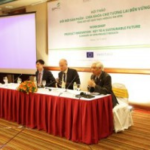
Innovative methods, capacity for sustainable future in Vietnam
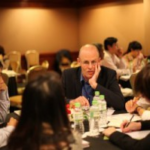
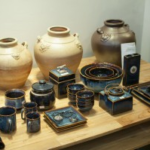
On November 14th 2013 – at Press Club, SPIN project successfully organized the workshop “Product Innovation – Key to Sustainable Future” which welcomed nearly 100 participants and press agencies. The workshop brought up an overview of current situation, challenges and opportunities in product innovatiôn in Vietnam for enterprises and national policies. The workshop was pleased […]
Three SPIN enterprises attend as speakers in EcoAP 15th forum on cutting waste
On November 12th 2013, at Hilton Opera Hanoi hoel, the 15th forum of Eco-innovation Action Plan was organized with the theme Cutting waste…Resource efficiency and eco-innovation for sustainable food chains.[…]
Press release of the workshop “Product Innovation – Key to Sustainable Future”
World Bank funds Vietnam’s largest wastewater treatment plant in HCMC
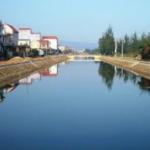
The government has approved a World Bank-funded project to build the country’s largest wastewater treatment plant in Ho Chi Minh City. Source: worldbank.org The US$524 million project is in fact part of the second phase of the HCMC Environmental Sanitation Project, which began in 2001. The bank will provide $450 million and the rest will come from […]
Global warming? No, the planet is getting cooler
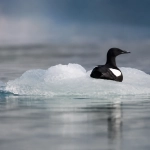
More than a million square miles of Arctic seas have frozen in the past year as a new environmental trend takes hold, dubbed “global cooling”. The extraordinary “reverse” of global warming has led to a 60 per cent rise in ice-covered ocean. Just six years ago, some scientists were predicting that all of this ice […]


