- Donors: Aii and IDH
- Implementing partner: VNCPC
- Duration: 2021 – 2023
- Sectors: Textiles and footwear
- Region: Viet Nam
- Contact: Dinh Manh Thang
- Email: [email protected]
- Tel: (84-24) 3868 4849 – ext 25
Objective
The program was initiated by the Apparel Impact Institute (Aii) in 2018 under the original name of “Race to the Top Program.” Since 2021, Aii has collaborated with the Sustainable Trade Initiative (IDH) and changed the program name to “Clean by Design”.
The project aims to reduce the global textile industry’s environmental impact by implementing energy-saving and resource-efficiency solutions, enabling businesses to lower costs while significantly reducing their environmental footprints.
Activities
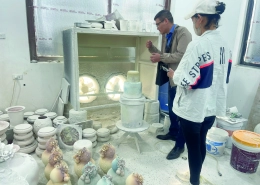
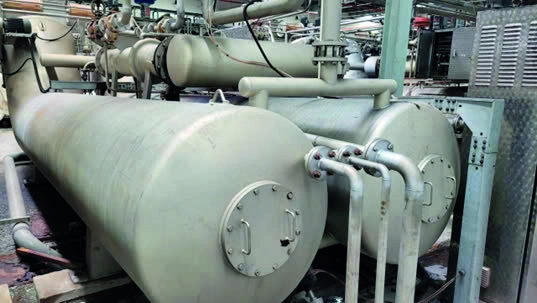
- Conduct on-site assessments on RECP and Energy Efficiency (EE), focusing on the production line systems and related areas at textile and footwear factories;
- Guide and support factories in selecting proposed RECP and EE solutions, thereby developing and implementing corrective
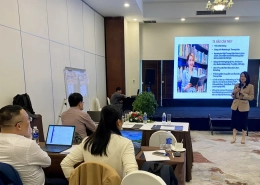
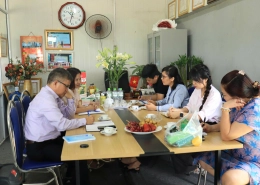
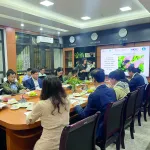
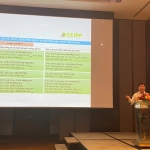
action plans; - Organize mid-term meetings combined with remote technical consultations via phone or email to support facilities in implementing the proposed solutions;
- Propose additional solutions identified during subsequent on-site assessments;
- Prepare reports that provide detailed analyses of opportunities found to improve productivity, promoting RECP and EE implementation for businesses, to be shared with Aii, factories, and brands; and
- Issue participation certificates for the “Clean by Design” Program to facilities that have completed the program.